
Introduction
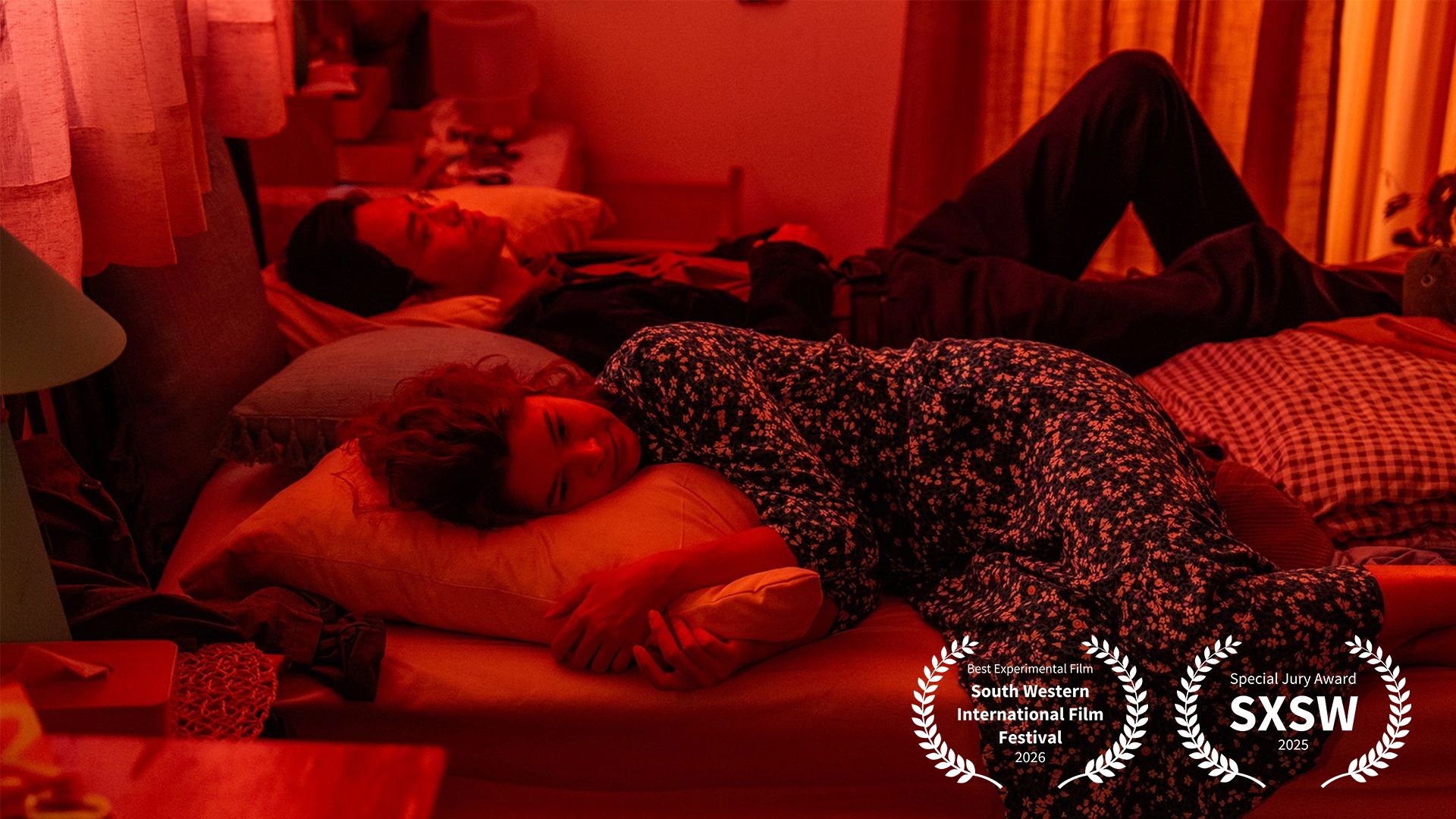
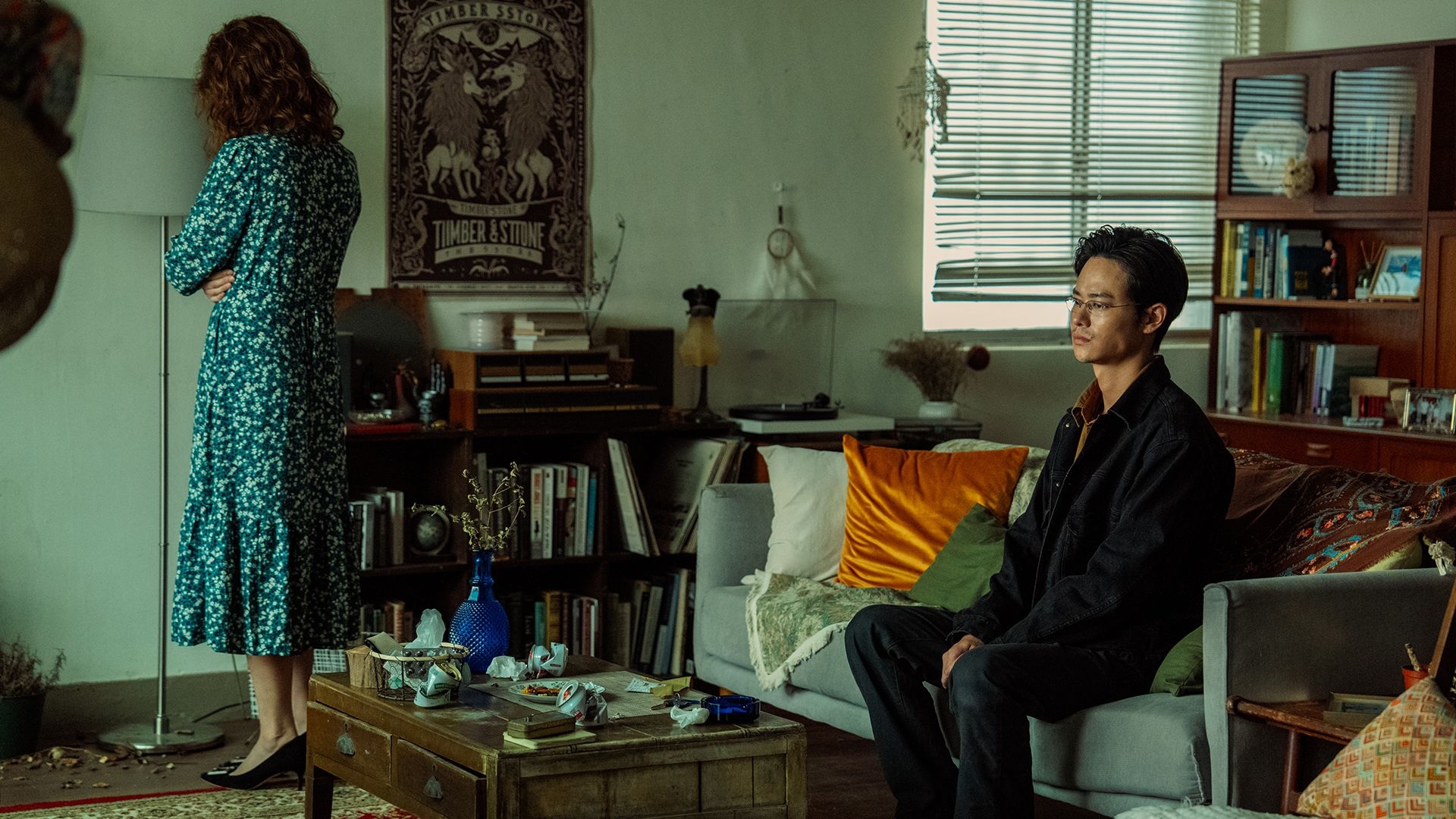
Proof As If Proof Were Needed is an interactive film installation exploring the home as a site of personal and national identity, and as a metaphor for the subconscious. The work invites gallery visitors to move from room to room of a Taiwanese house and explore the history of the couple who lived there.
Concept
We originate from the home. It provides us with shelter and it is our refuge from the public realm. It is an expression of how we live but the home shapes us too. And the traces we leave there can be unconscious. We leave grooves and tracks as we move through the home each day. The home is our most private space, one where we are free to behave as we wish; but it is also a trap. When you withdraw to your most personal refuge, there is nowhere left to run. The warm embrace of home can just as easily be a form of suffocation. Filmmakers have constantly delved into the home to show us the secret lives of those who live within. Lost Highway (1997) by David Lynch and Hidden (2005) by Michael Haneke both explore the intrusion of the past, of guilt and of the outsider into our space of safety. They develop a cinematic language that expresses the uncanny psychic presence of our domestic spaces. The home is replete with the language of dreams and metaphor. It is an expression of the mind or the self. It is a place we explore in our dreams: we move through spaces that are at once deeply familiar and at the same time physically impossible. We return to our current home or to previous ones and we find them unfamiliar or loaded with uncanny and disconcerting presences.
Home is so sad. It stays as it was left,
Shaped to the comfort of the last to go
As if to win them back.
Philip Larkin
The archetypal quality of our homes is captured in the phenomenon of memory palaces. These mnemonic devices are used to recall complex sets of information by moving through imaginary physical locations. Originating in classical Greece, this method of loci shows the innate human power to embed ourselves in physical spaces physically and imaginatively. Our domestic spaces are inscribed in the recesses of our imaginations. The home is also a site of national identity borne out of tradition, climate, geography, geology and political decisions. We are interested to explore the possibilities and the limits of this approach for investigating the parallels and differences between Taiwan and the UK. The economy of post-boom Taiwan, and austerity in the UK, have each left their traces on our domestic spaces. Proof As If Proof Were Needed takes these varied ideas about the home and threads them into a vivid cinematic work that follows the logic of dreams.
The work
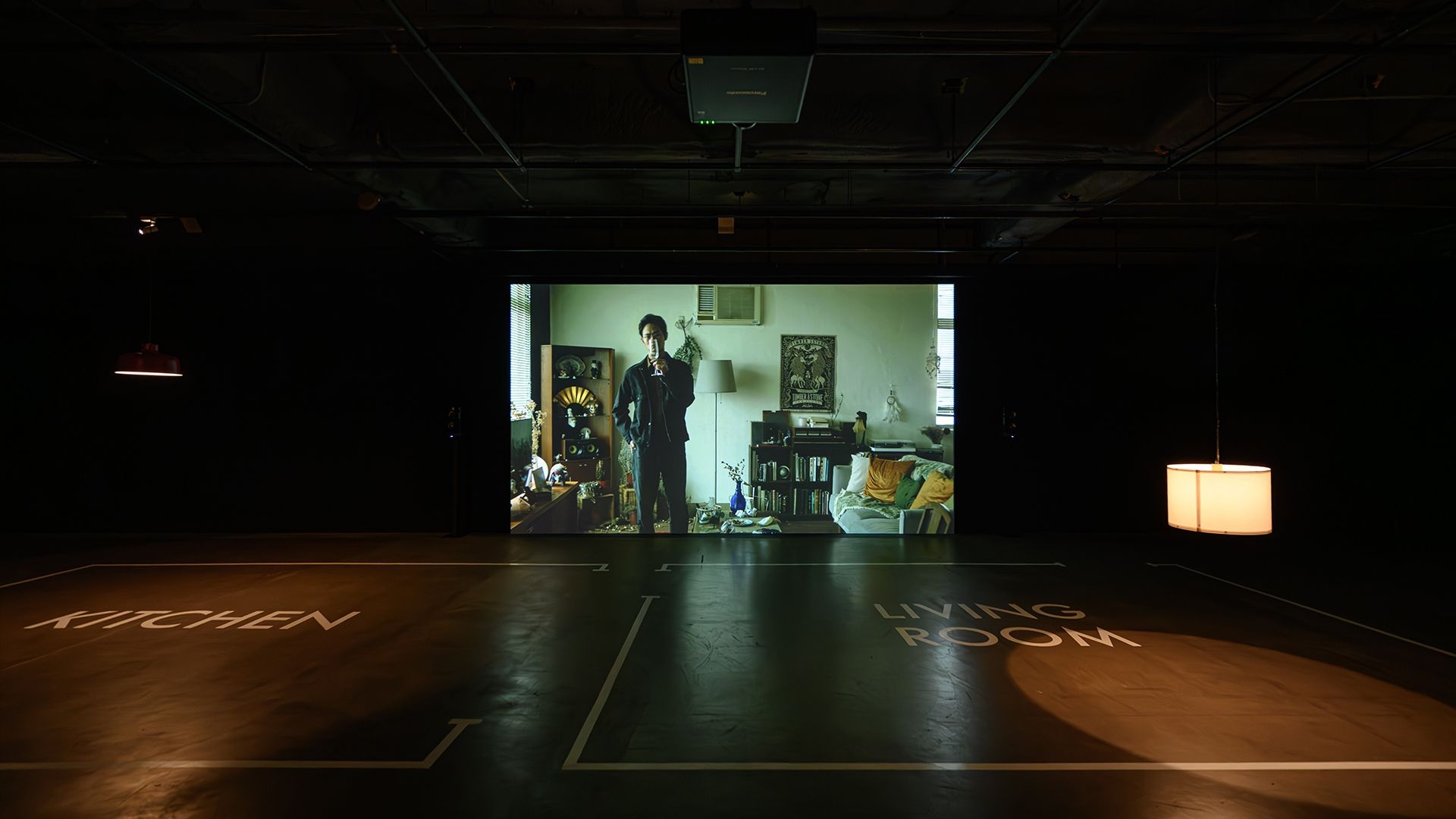
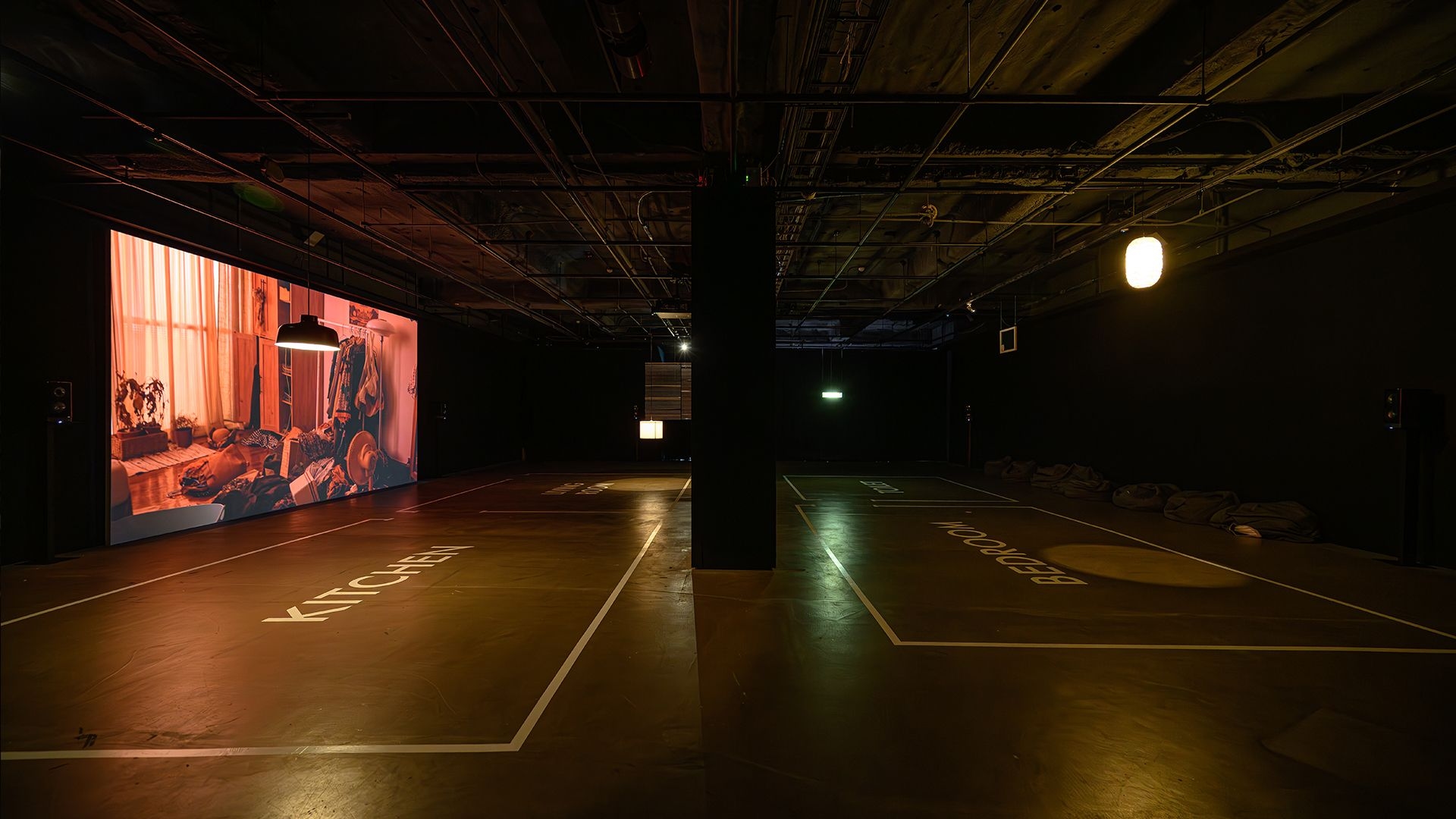
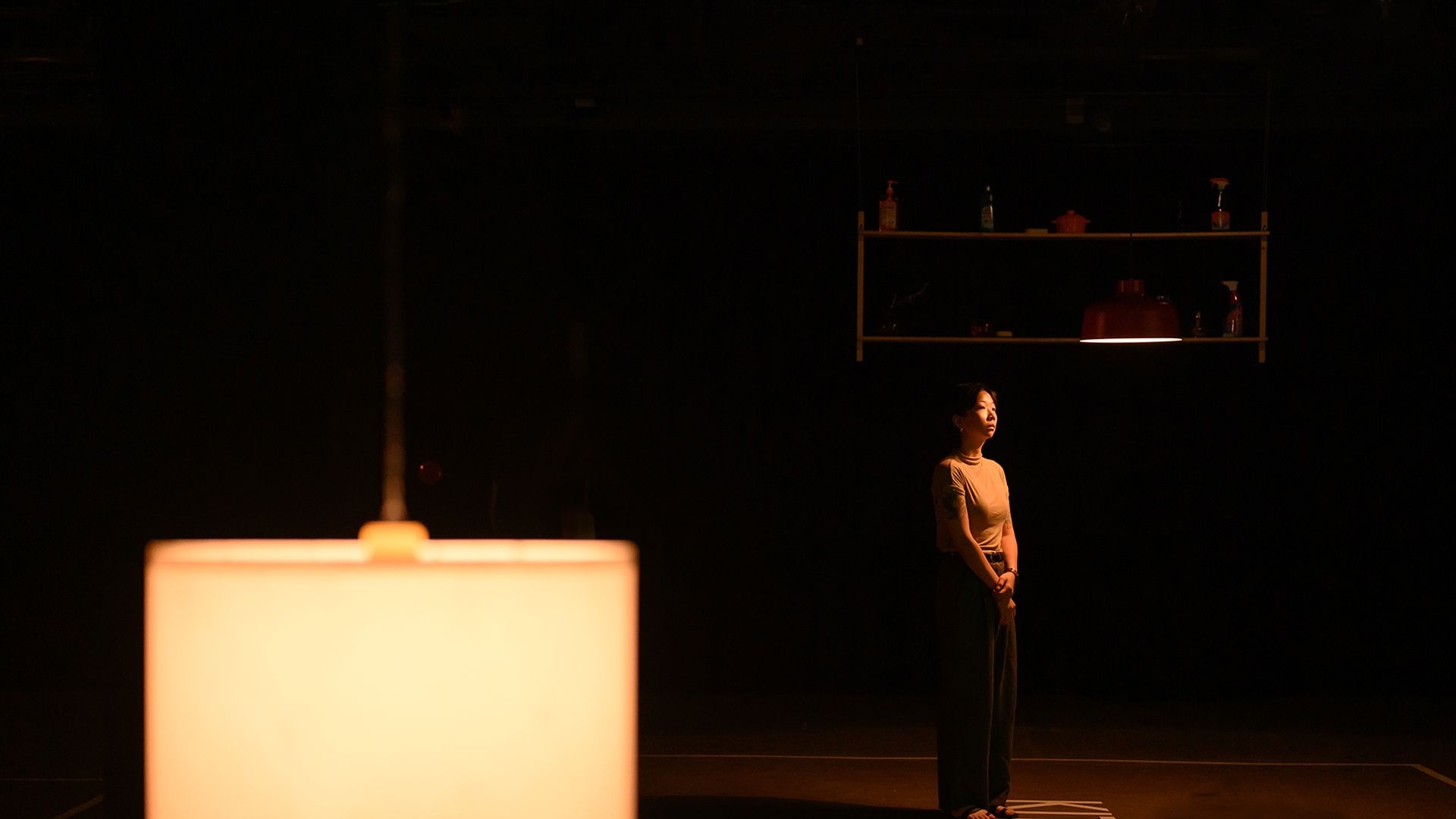
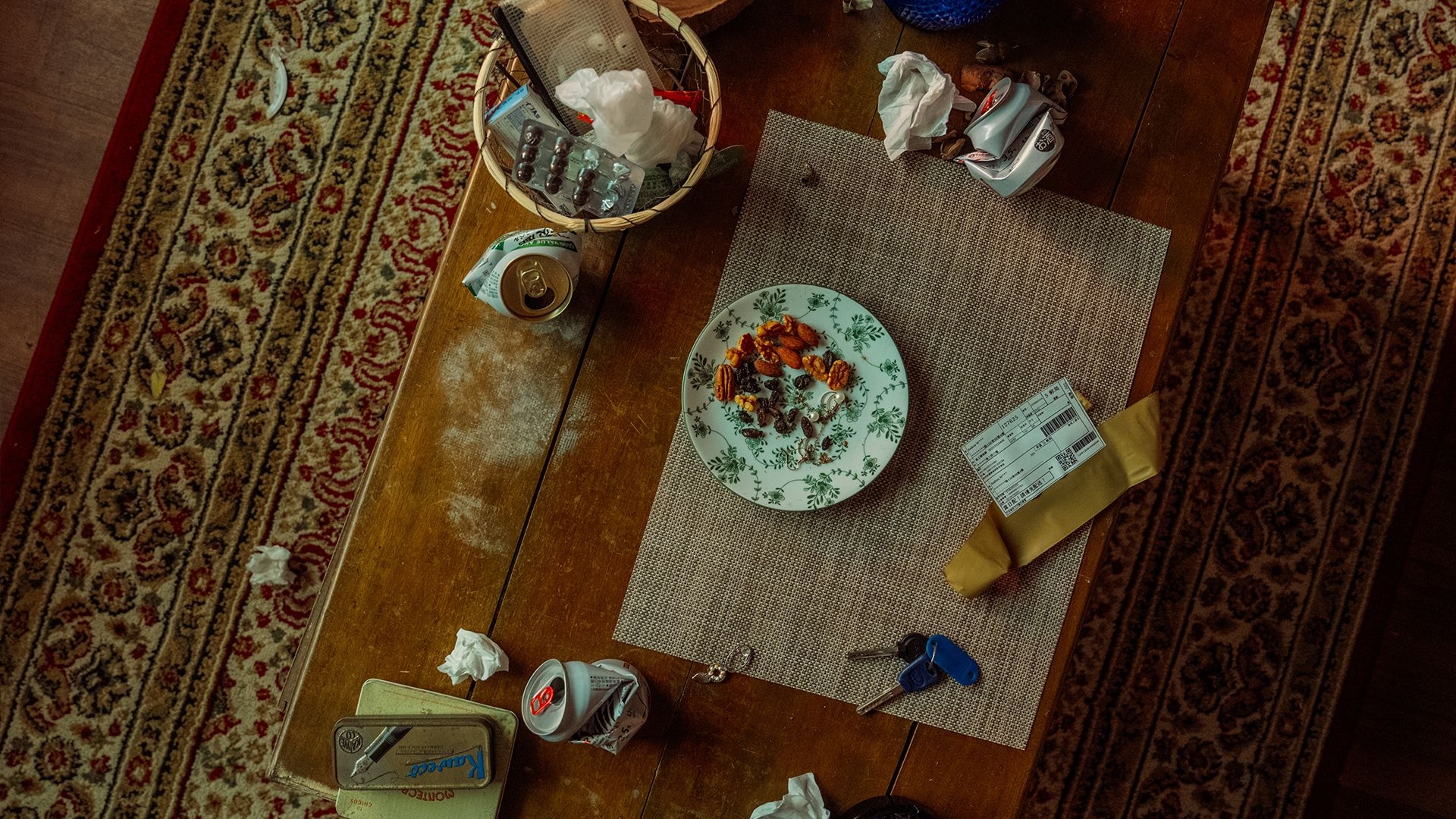
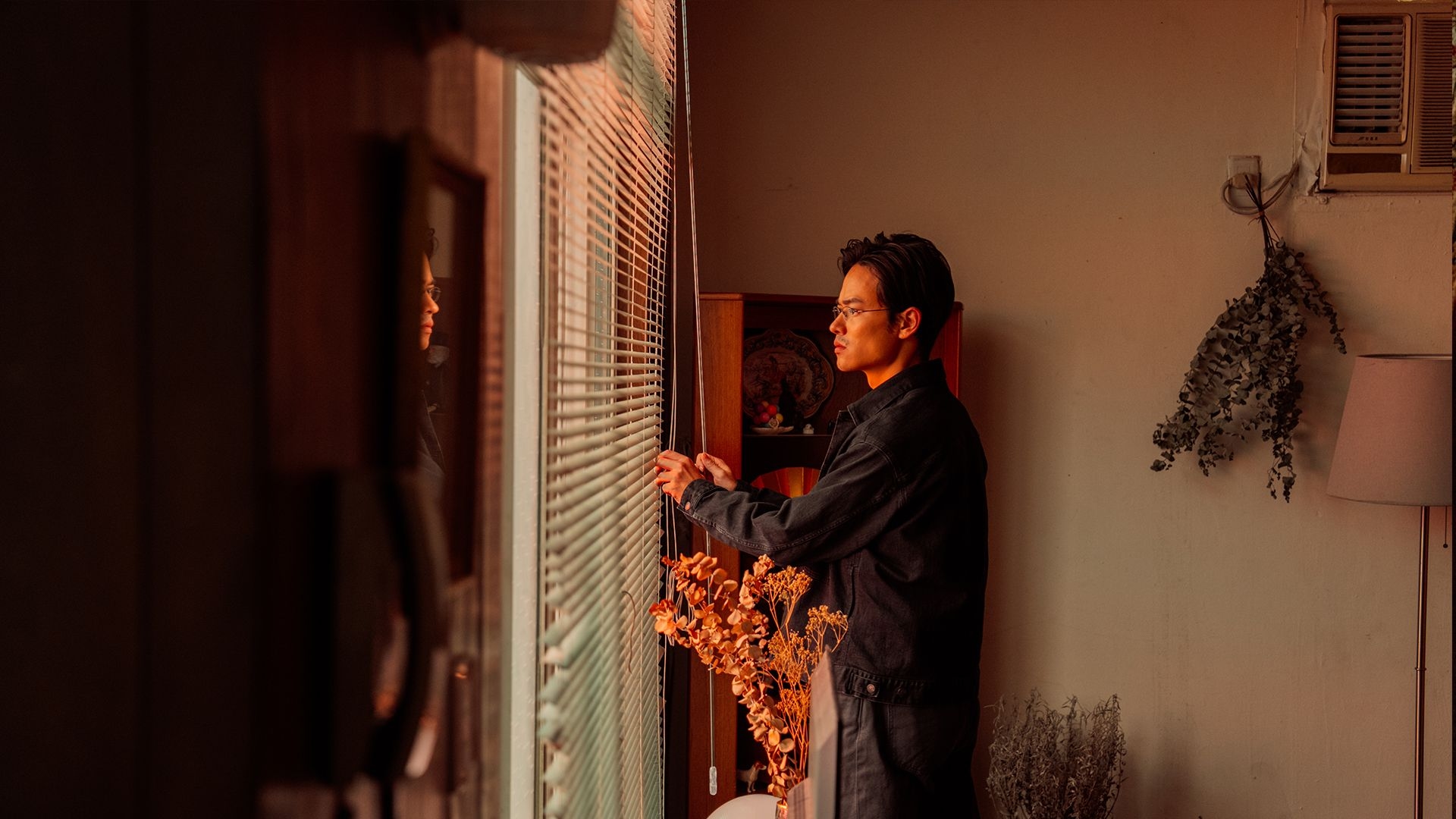
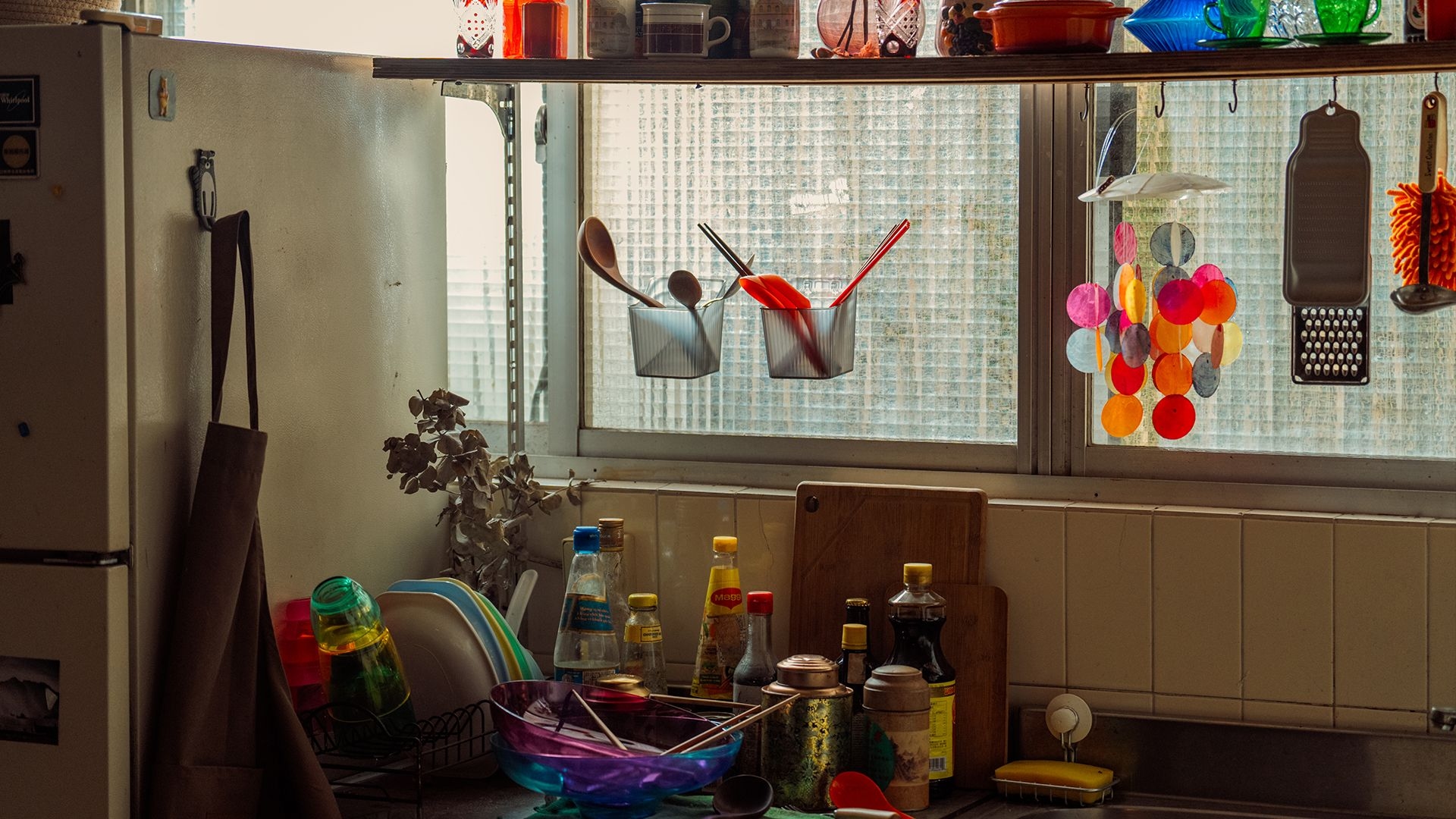
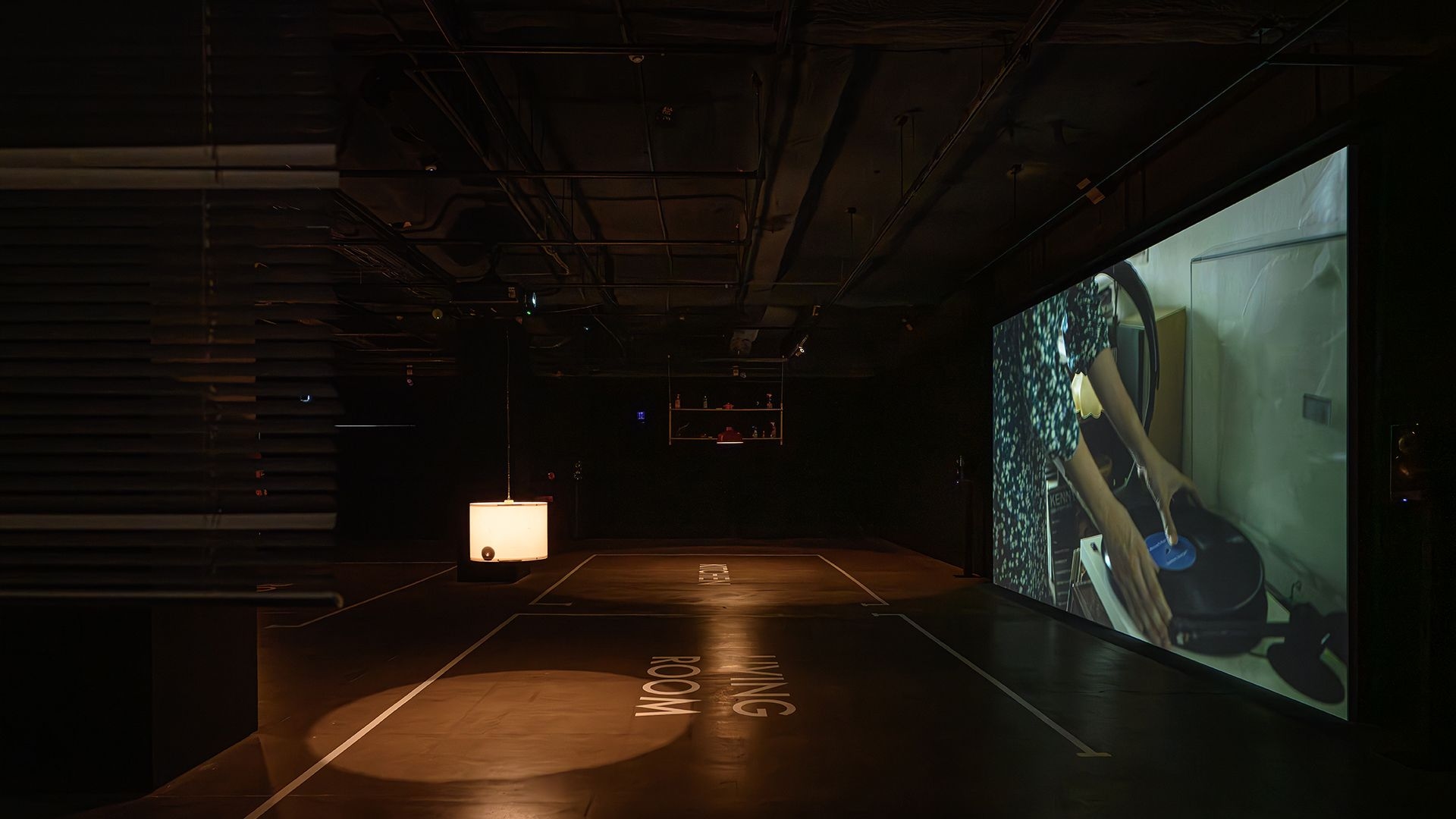
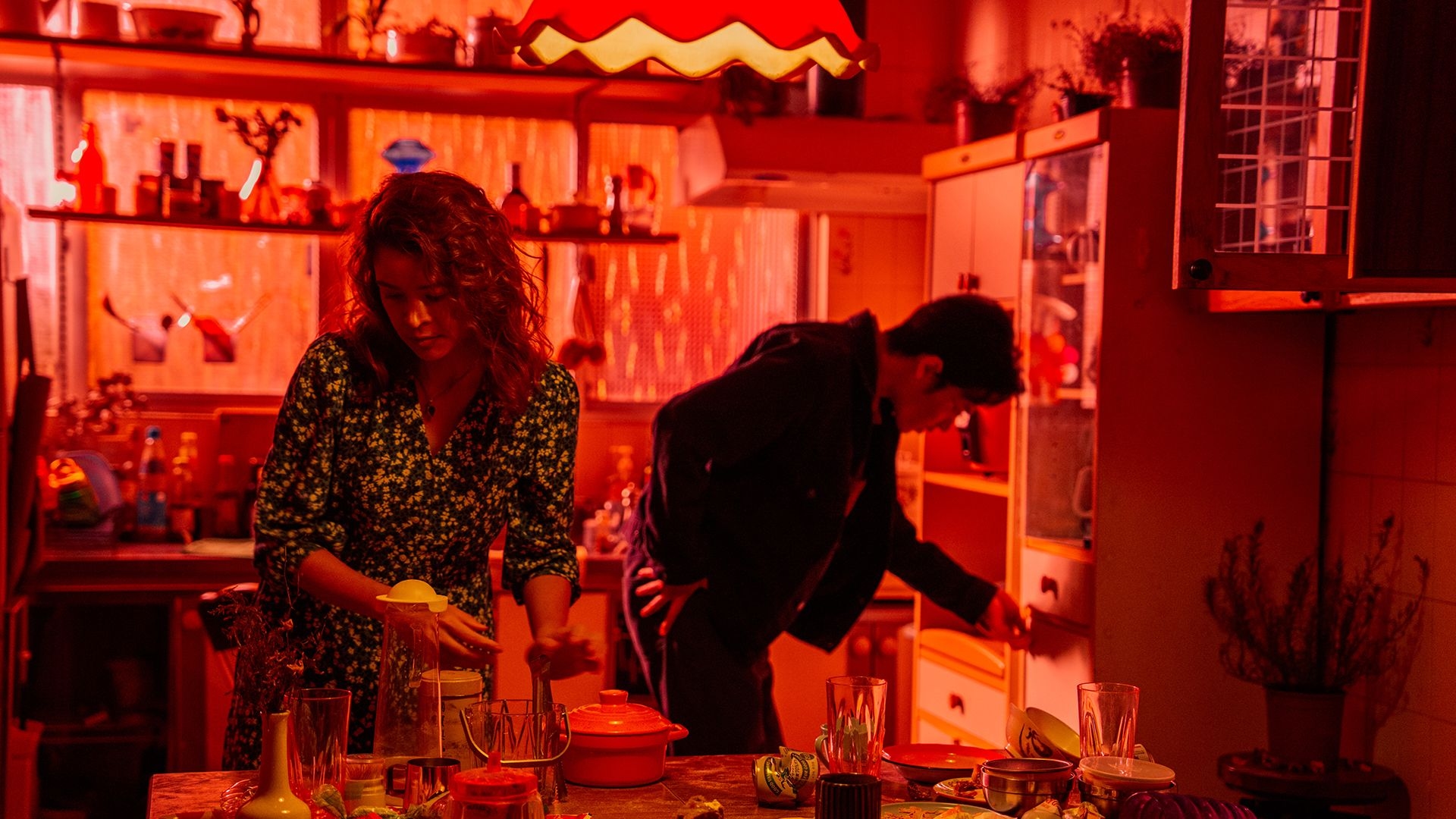
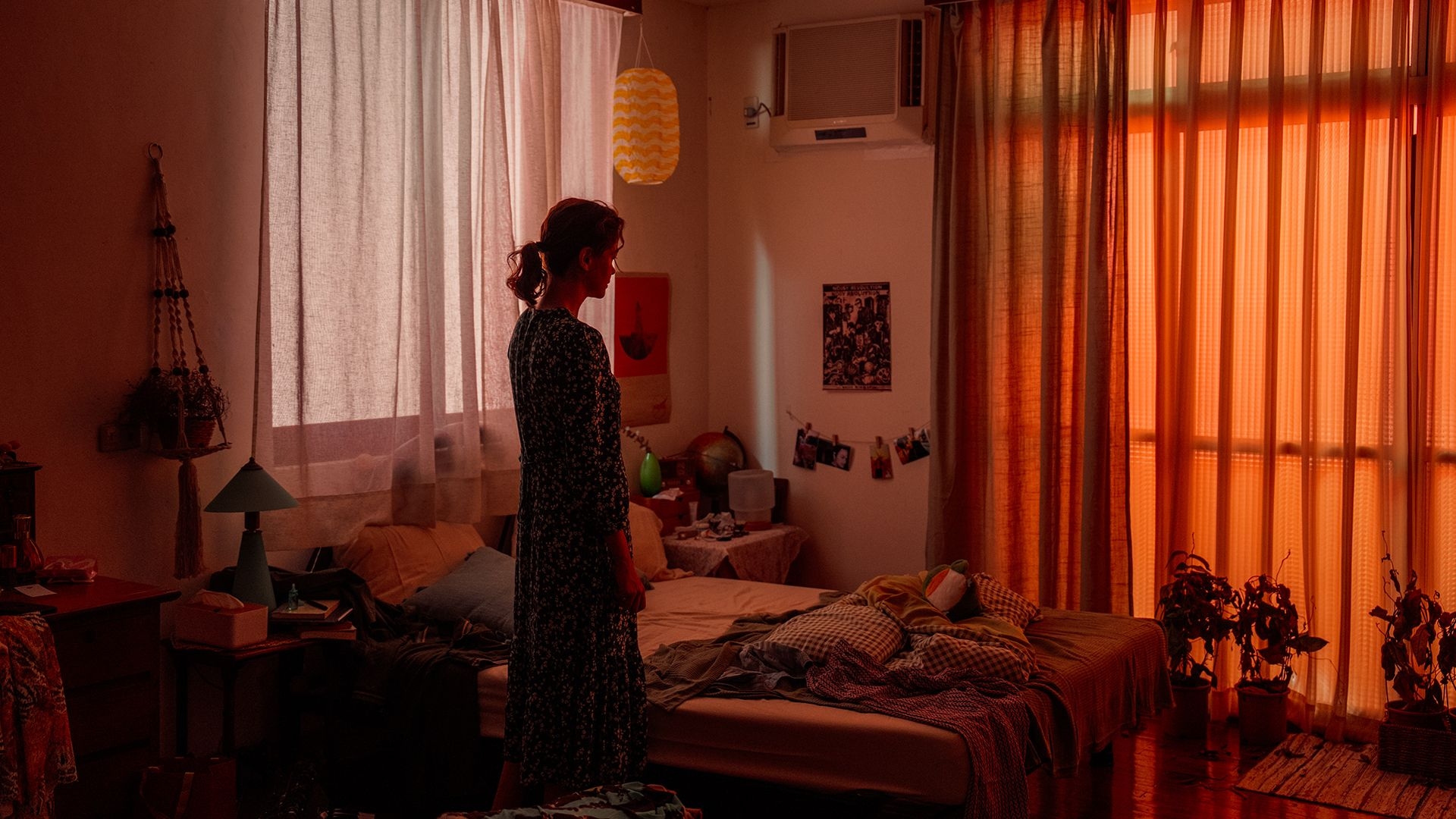
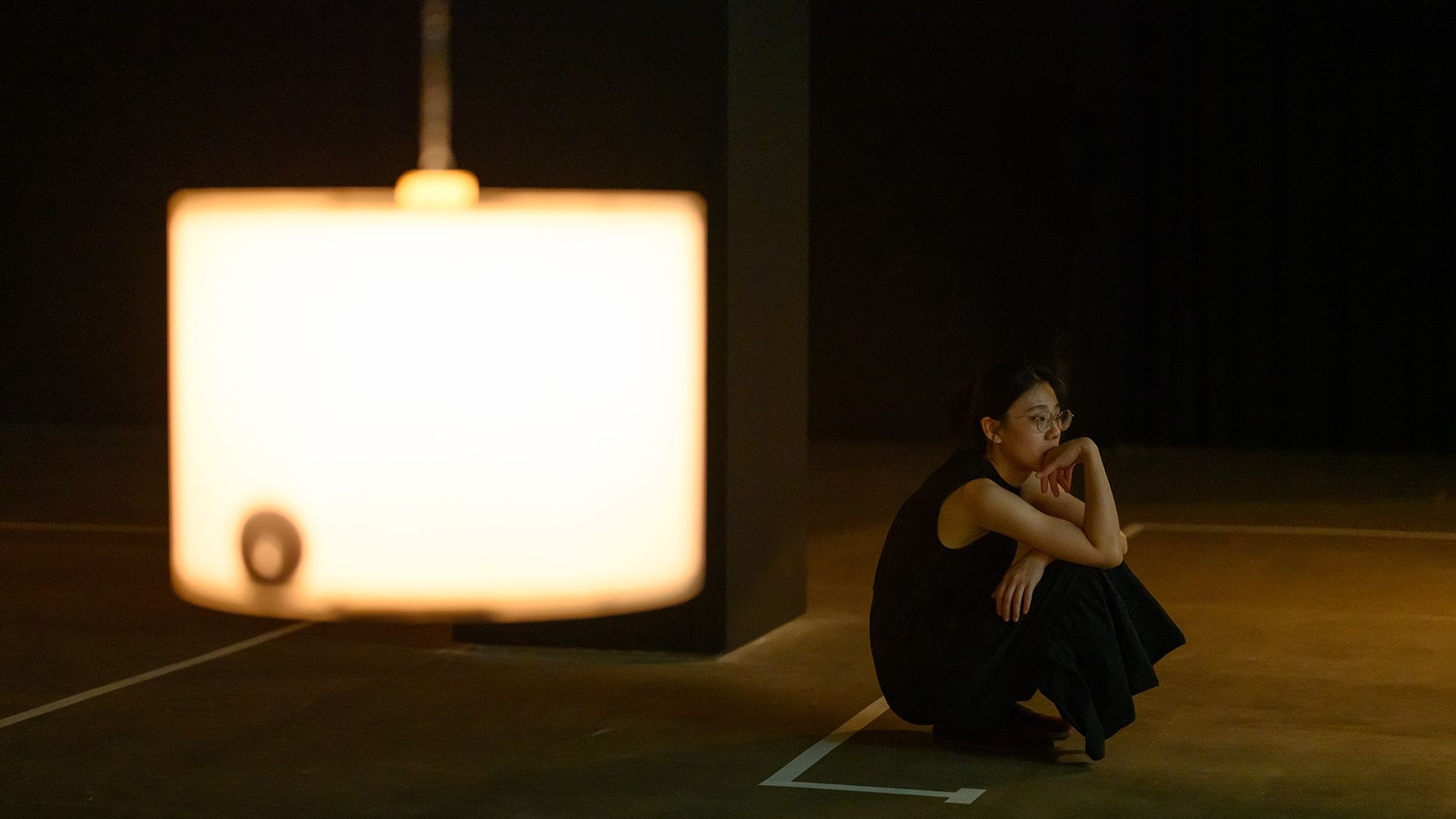
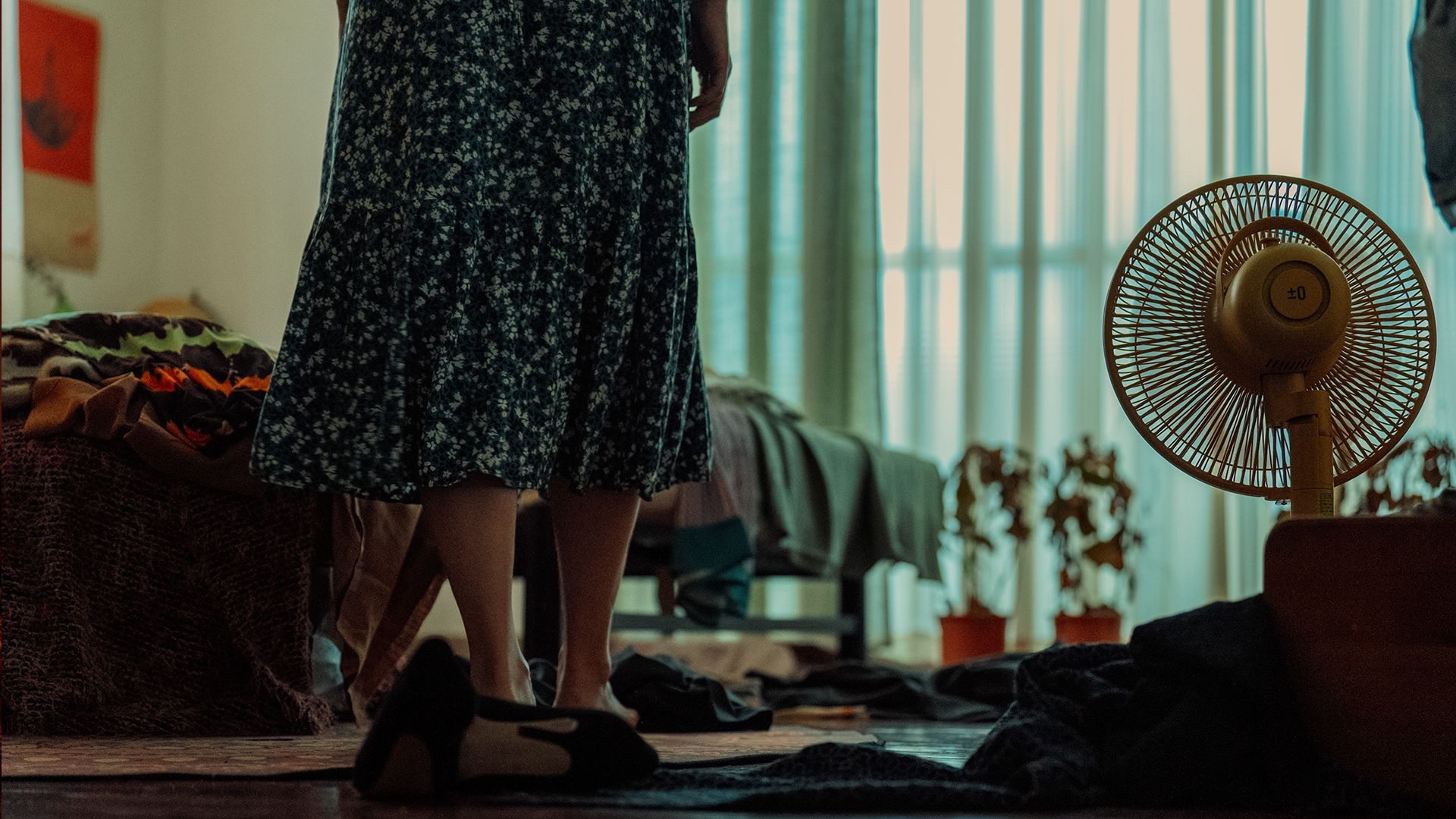
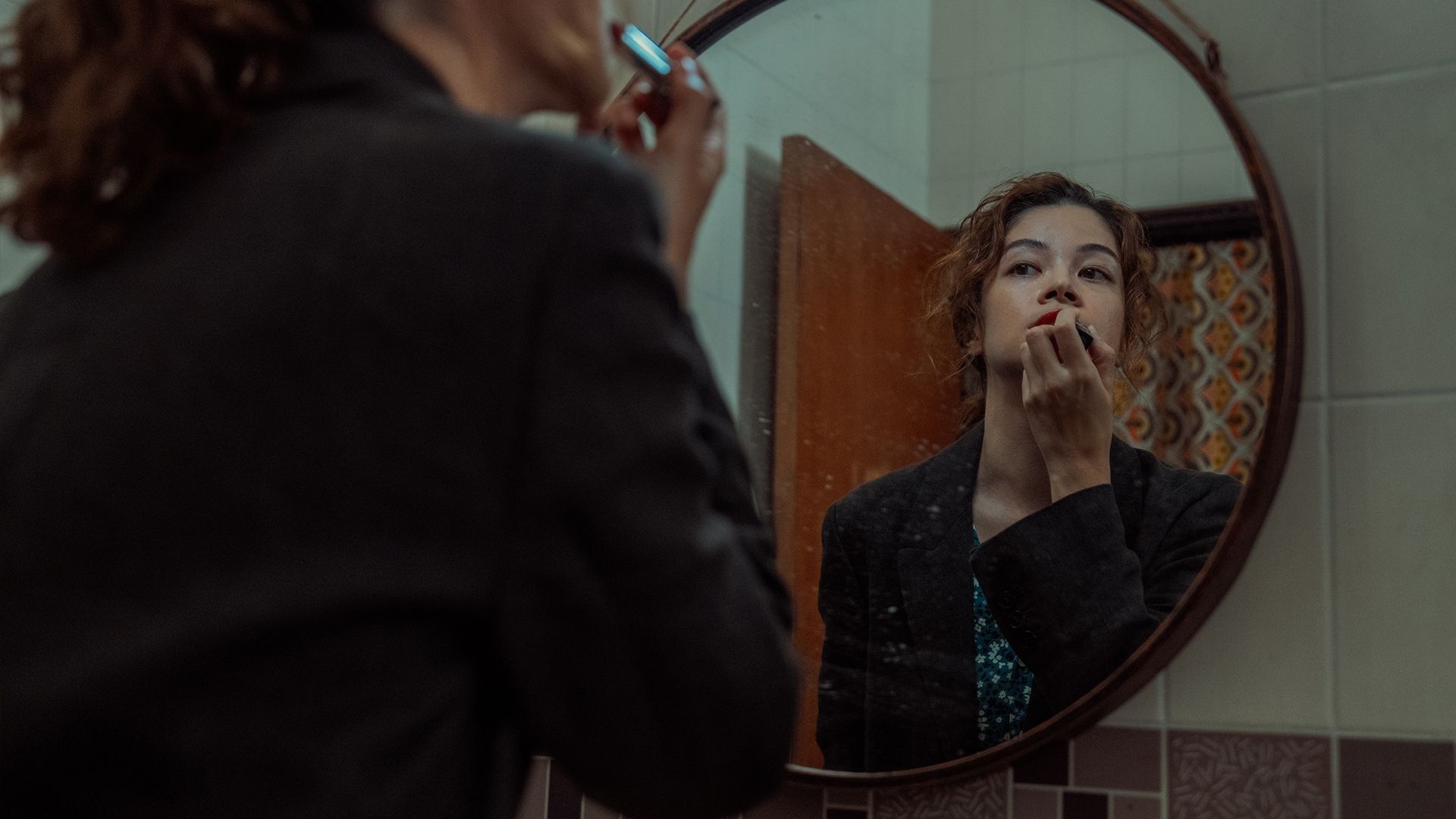
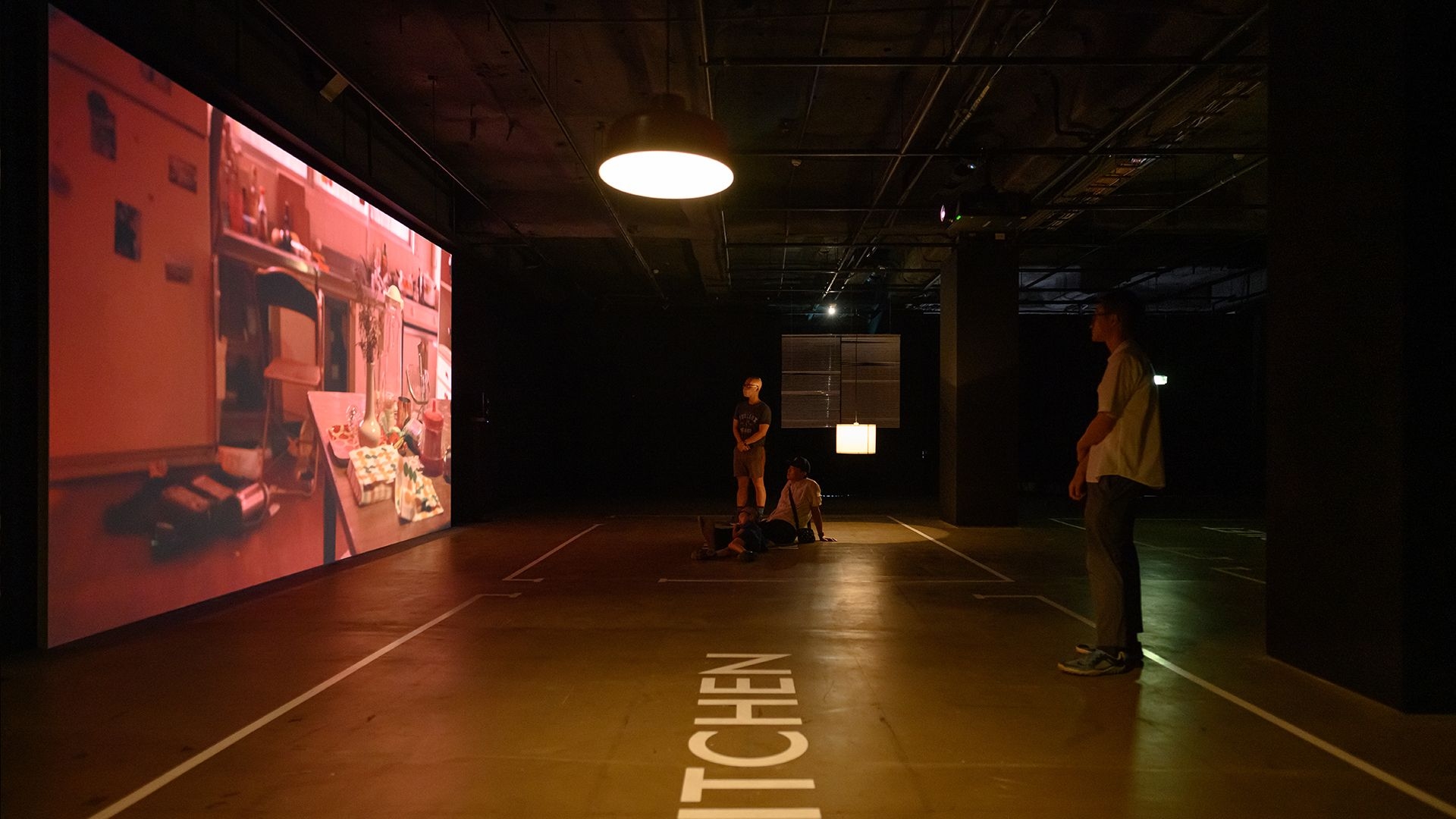
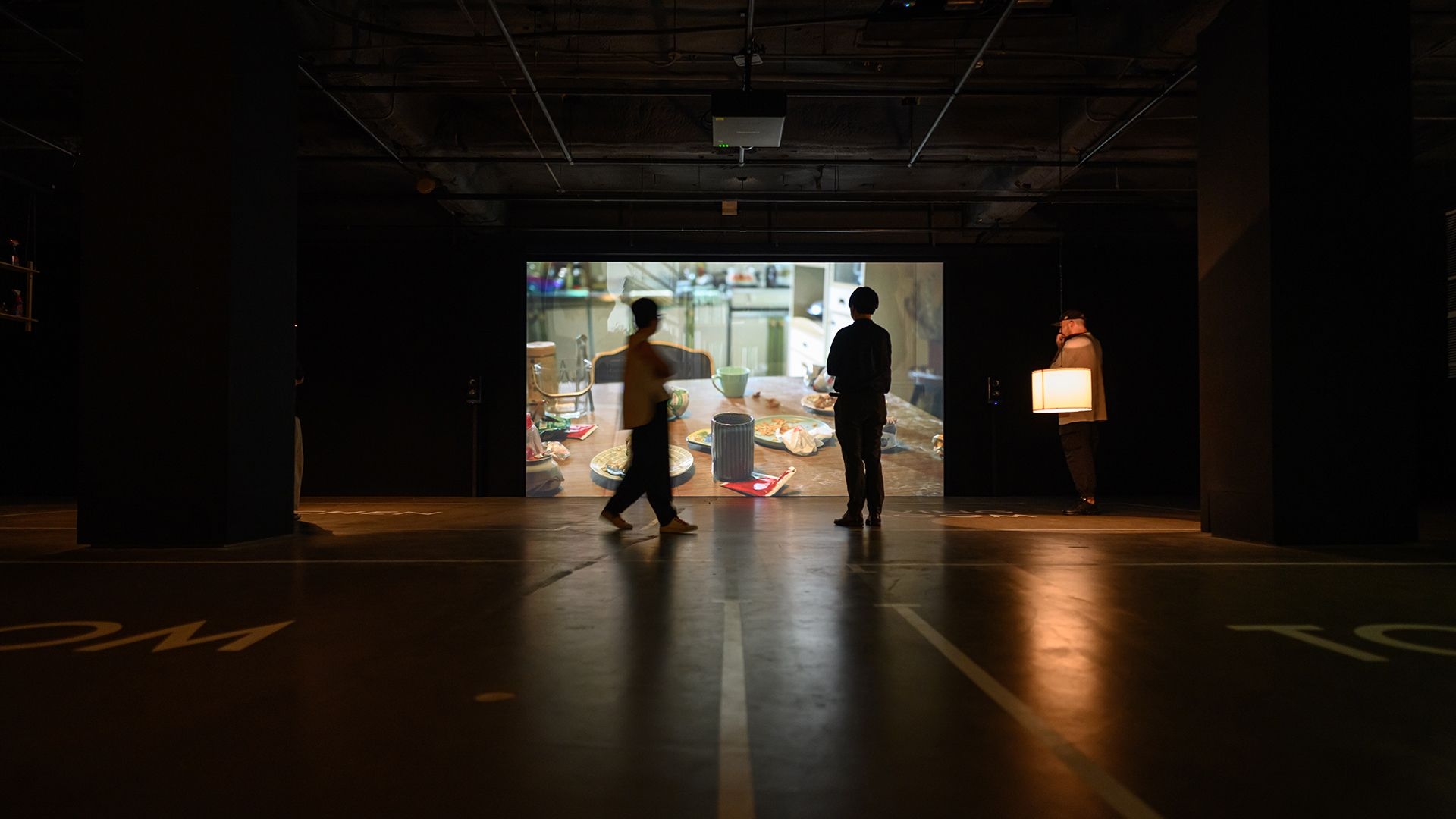
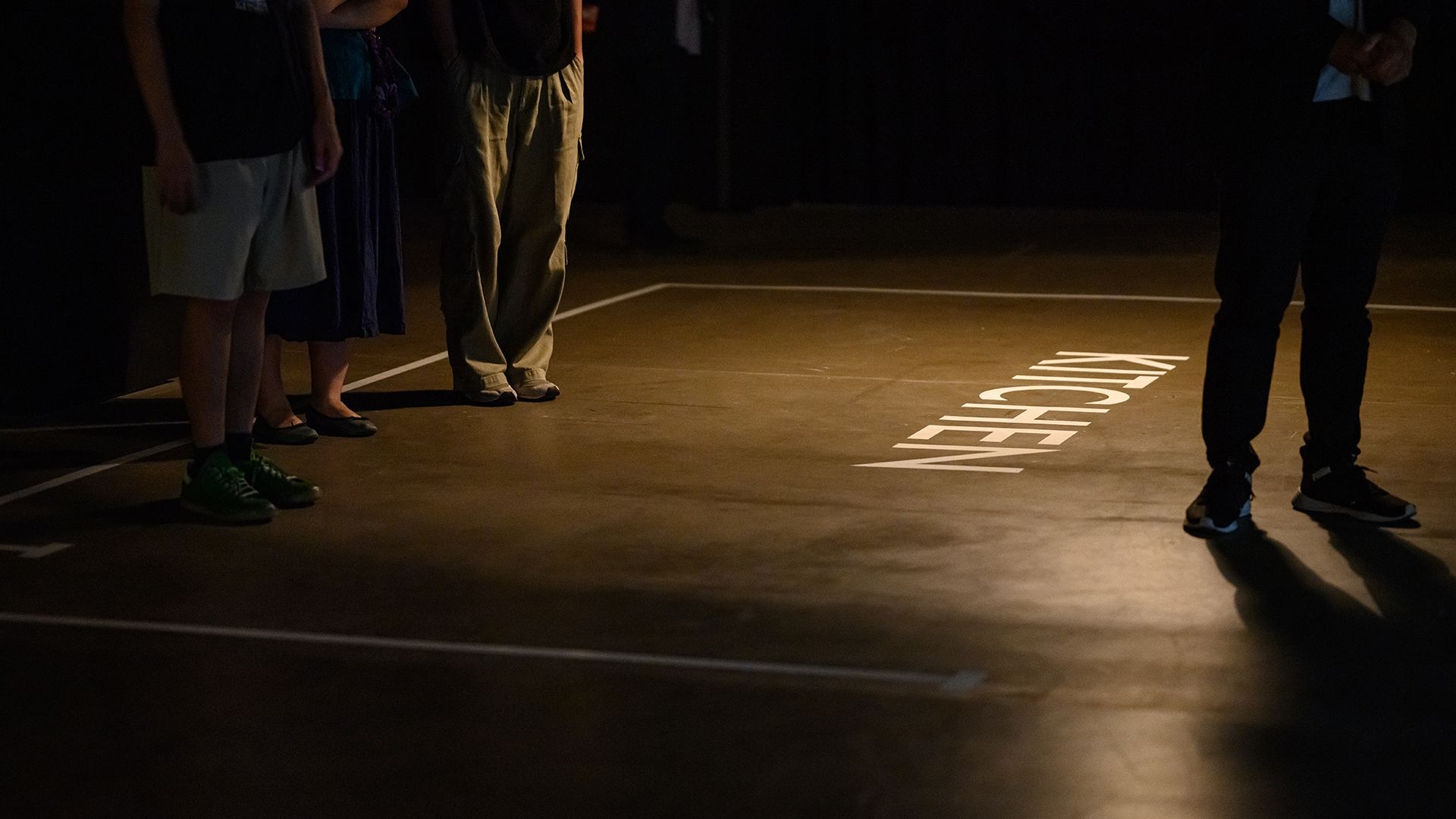
Proof As If Proof Were Needed is an interactive single screen video work for the gallery. The floor plan of a comfortable suburban Taiwanese house is marked on the gallery floor with white tape. On the wall is a large video projection of the house. When a visitor to the gallery steps onto the floor plan, you see that room on the projection. By moving from room to room you can explore the house and the two people who once lived there. They have returned to their deserted home to collect their belongings and to tidy up the secrets they hold from each other. The work is both a closed loop and a story that unfolds progressively. The order in which the rooms are explored suggest different interpretations of what has happened between the couple.
Proof As If Proof Were Needed is a collaboration by Ting-Tong Chang and Blast Theory.
Proof As If Proof Were Needed is part of the Future Art and Culture programme at SXSW produced by British Underground and Arts Council England with partnership support from the British Council. With additional support via British Council, BFI Travel Grants and the Taiwanese National Culture and Art Foundation’s (NCAF) Rainbow Initiative.
Photo by Che-Chun Liu and ANPIS PHOTO.
↓ scroll down for video
Director: Ting-Tong Chang, Matt Adams, Hsuan-Kang Tsai | Assistant Director: Steven Chang | Screenwriter: Uray Chen | Cast: Teng-Hung Hsia, Karolyn Kieke | Producer: Chun-Han Lin | Production Coordinator: YiLi Chen | Production Intern: Yu-Min Liu | Director of Photography: Kuan-Yu Chen | 1st Assistant Camera: Yang Che-chi | 2nd Assistant Camera: Cheng En Ci, Claire Tsai | Gaffer: Emile Peng | Best Boy Electrician: Chang Hsing Pei | Lighting Technician: Yang Yu Ming, Yulii Deng, Ian Huang | Lighting Assistant: Zhong Yu Lun | Production Designer: Yin-Chiao Liao | Set Decorator: Huei Ping Hsieh | Set Decoration Assistant: Bo-Deng HU, Yuan-Wei Chun, Tzu-Hsiang Hung, Nini Chen, Seven7een Chen | Costume Designer: Yu-Lin Fan | Makeup Artist: Edna Hung | Editor: Hsuan-Kang Tsai| Sound Director: Tak-Cheung Hui | Sound Recordist : Chih-Ming Feng | Colorist: Chin-chia Chan | VFX: Quint Tsai | Still Photographer: Che-chun Liu | Technical Director: Hsien-Yu Cheng | TTC Studios Manager: Ray Wang | Blast Theory Manager: Anne Rupert
導演:張碩尹、馬特·亞當斯、蔡弦剛|副導:張雅鈞|編劇:陳有銳|演員:夏騰宏、 柯念萱|製片:林君翰|執行製片:陳怡莉|製片組實習生:劉昱旻|攝影指導 :陳冠宇|攝影大助:楊哲奇|攝影二助:鄭恩慈、蔡宜廷|燈光師: 彭嘉慶|燈光大助:張星培|燈光助理:楊鈺銘、鄧侑禮、黃冠諺|燈光實習生: 鐘于倫|美術指導:廖音喬|美術執行:謝慧萍|美術助理:胡博登、袁微鈞、 洪子翔、陳廷妮、陳益慶|造型指導:范玉霖 |妝髮造型:洪丌涵|剪輯: 蔡弦剛|聲響製作總監:許德彰|現場收音:馮志銘|調光:詹謹嘉|特效: 蔡承錕|劇照師:劉哲均|技術總:鄭先喻|張碩尹工作室經理:王芮瑀|爆炸理論工作室經理:安妮·魯珀特